





Why Do the Names Have to Be So Scary?!
The Kinder Way Podcast – Episode 8





The information provided in The Kinder Way Podcast is for educational purposes only, and is not intended as a substitute for professional advice from a licensed advisor. The content of each episode is the opinion of the host and interviewees, and does not represent the views of Serenia Life Financial or any of its other subsidiaries or affiliates. Please always consult a licensed insurance advisor for guidance. Serenia Life Financial does not endorse any third-party views referenced in this content.
Joint Last to Die. Death Benefit. Survival Period. Scary movies… or insurance industry terms? Just in time for Halloween, The Kinder Way’s host is unmasking these spooky-sounding words so you’ll see they’re not so scary after all! Tune in to find out why… and don’t forget to stick around for the Halloween-themed sprinkle of kindness at the end! “This is it. Don’t get scared now.”
Related Articles:
Episode Transcript
Hello and welcome back to The Kinder Way Podcast! Since tomorrow is Halloween, I thought we’d have a little fun today by tackling a spooky question: why do life insurance products have to sound so scary?
Because honestly… some of these names sound like they belong in a scary movie instead of a financial plan.
Let’s take a closer look, shine a flashlight into those dark corners, and see that—just like most Halloween costumes—things are a lot less frightening once you know what’s underneath.
Okay, let’s start with two of the creepiest-sounding ones: Joint First to Die and Joint Last to Die.
(Yes, you heard that right. And yes, I promise these are real products – not titles for the horror movie version of Romeo and Juliet.)
So what do these names actually mean?
Well, let me try to explain! If you and your partner – life partner or business partner – buy a life insurance policy together, the insurance provider has to decide who gets the money… and when!
- With Joint FIRST to Die, the payout happens when the first person passes away. That money is usually meant to support the spouse who is still alive. In the case of business partners, it could go towards keeping the business afloat after a key person passes.
- With Joint LAST to Die, the payout doesn’t happen until the second person passes away—this one is often used for estate planning, when money is meant to go to children or other heirs. And side note – it can be great for covering capital gains taxes if you’re leaving your adult children a second property – like the family cottage – something we talked about in more detail in Episode 6!
So even though the names sound grim, these policies are actually about providing security for the ones we love or the business we are passionate about. Think of it less like a ghostly warning… and more like deciding who gets the candy first at Halloween.
Now, let’s talk about the death benefit. Spooky name, right? It sounds like some sort of cursed prize in a vampire novel.
In reality, it’s just the official term for the money paid to your beneficiaries when you pass away. That money could cover funeral expenses, pay off debts, your mortgage, or help your family maintain their current lifestyle.
The “death” part of the name might make you shiver, but the “benefit” part is the heart of it—it’s about making sure your loved ones are supported during a difficult time.
So if we’re keeping with our Halloween theme, think of it less as a death benefit and more like a treat bag full of financial security.
Next up: Critical Illness Insurance. Yikes, right? It almost sounds like you have to be in a hospital bed in the middle of a zombie apocalypse to qualify.
But here’s the deal: this insurance pays you a tax-free sum – ranging from $10,000 to $2 million here at Serenia Life — if you’re diagnosed with certain serious conditions, like cancer, heart attack, or stroke. That money can help pay for medical costs, cover lost income while you take time off work for treatment, or provide you with financial support so you can focus on recovery without worrying about bills.
It’s basically like a stash of emergency chocolate hidden in the cupboard. You hope you don’t need it—but if you do, it’s there to provide some comfort. #EmotionalEating
Sounds like you’ve got to escape a haunted house or outrun a serial killer… but in reality, it’s just a waiting period built into the contract for Critical Illness Insurance.
With most Critical Illness Insurance policies, if you’re diagnosed with a covered condition, you have to remain alive for a certain number of days—usually 30—
If you’re wondering why, the answer is simple: the purpose of this coverage is to support you while you’re living and recovering, not act like a life insurance payout which your loved ones would get after your death.
Not so scary when you know the logic behind it… but the name could definitely use a rebrand.
So WHY the scary names?
Well, part of it is tradition. Insurance has been around for a long time, and the industry loves technical terms.
But part of it is also that we’re talking about tough subjects: death, illness, loss. And those words can feel heavy.
Shameless plug, but that’s where I think a podcast like this matters. Because when we take the time to unpack terms like these, we realize they’re not so scary after all. They’re really about planning ahead because you care… and making life just a little kinder for the people we love.
So tomorrow, when you’re passing out candy or maybe sneaking a piece or two for yourself, I hope you remember this little Halloween truth: things that sound scary at first are usually a lot less intimidating once you take off the mask.
Life insurance might come with eerie names, but at its core, there’s really nothing to fear. It’s about peace of mind, security, and well, love.
Speaking of love, it’s that time in the episode where I sprinkle a little bit of kindness into the episode – this time, with a spooky twist – so here goes!
As the mom of a child with multiple food allergies, Halloween used to feel REALLY scary for me and my husband. Of course, we wanted our child to enjoy the wonderful tradition of trick-or-treating, but we feared the many unsafe treats that would come home – because, if accidentally eaten, they could result in a trip to the hospital… one that doesn’t always have a happy ending.
Lucky for us – and our son – we have another tradition, where someone named the Switch Witch comes in the night to replace all of his unsafe treats with money, which he can use to buy whatever he wants.
But here’s the real act of kindness I wanted to shine a light on: Friends and neighbours who understand the very real danger of handing out the wrong treats – the ones who have a “safe” tub for kids with allergies, which might be filled with non-food treats, or treats that are free from top allergens, like nuts or even dairy. It’s not always easy (or cheap) to make the extra effort, but these small gestures mean the world to allergy kids…. And to parents like me.
Well, that’s it for today! If you enjoyed this episode of The Kinder Way Podcast, don’t forget to subscribe so you don’t miss the next one. And if you know someone who thinks insurance is too spooky to talk about, feel free to share this with them!
Until next time… have a safe and happy Halloween!
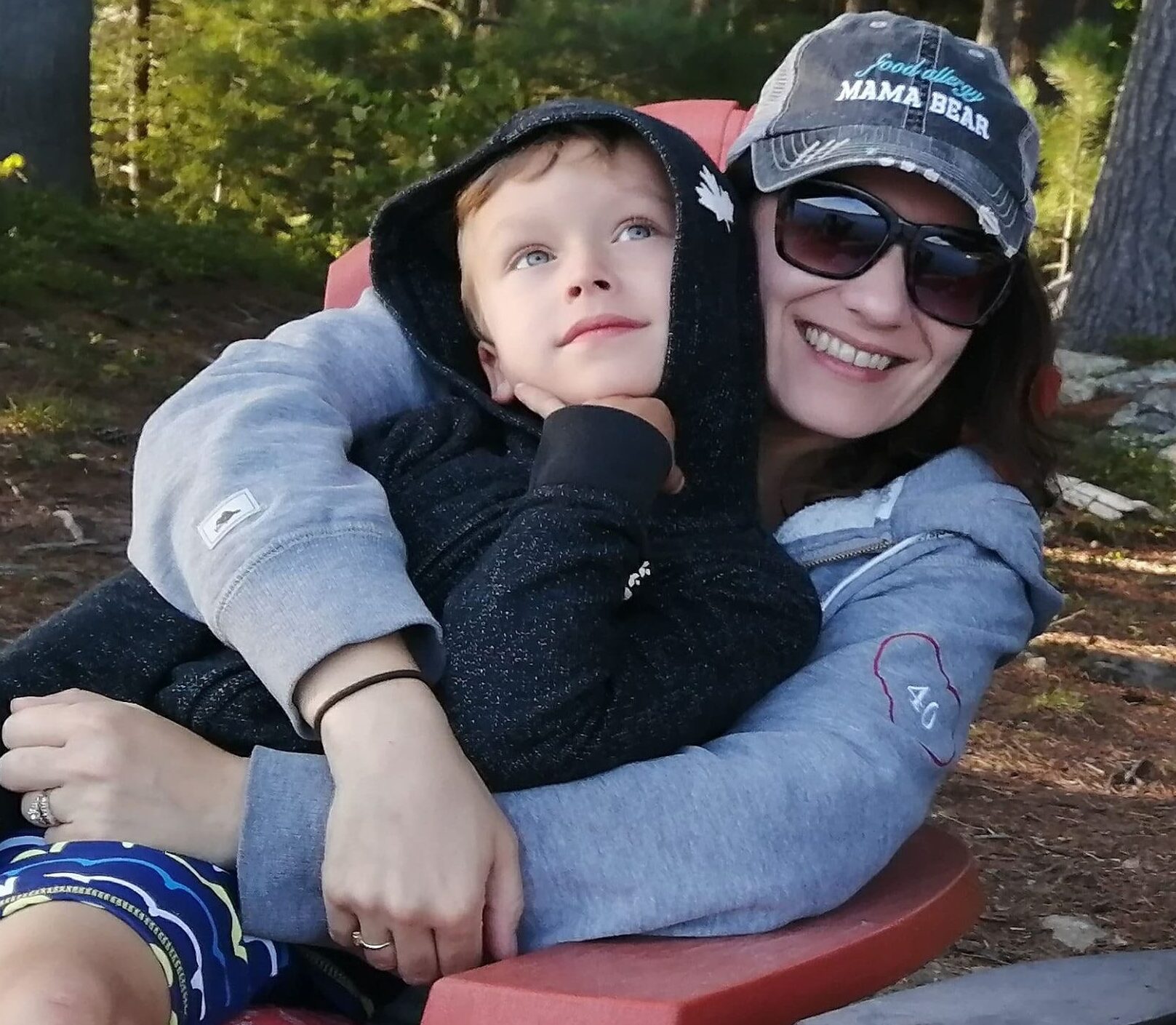
Meet our Host
Kathleen O’Hagan is the Digital Content Strategist & Writer at Serenia Life. She is married with one kid and two cats, and enjoys travel, discovering new restaurants, and idealizing life in the 80s and 90s. (Yes, she bought life insurance for her son – it’s an investment in his future! And yes, her pets are in her will.) See what else she has to say as host of the newly launched The Kinder Way Podcast.
